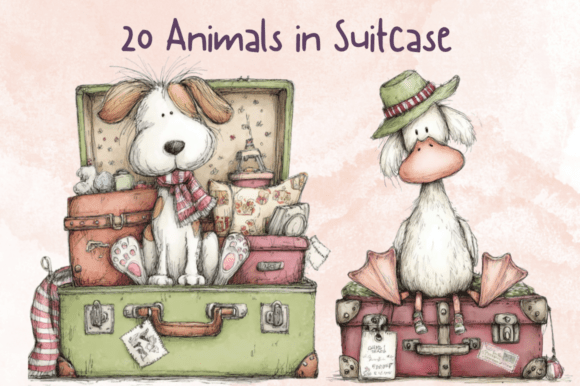
Whimsical Animals in Suitcase Clipart: A Guide to Choosing and Using Travel-Themed Digital Art
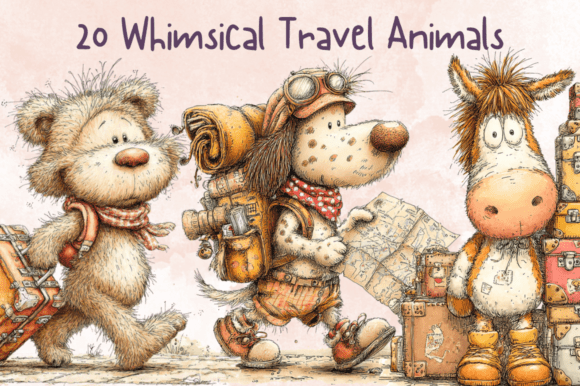
The digital design landscape is saturated with generic travel icons, but there is a growing demand for illustrations that evoke genuine emotion and storytelling. This is where Whimsical Animals in Suitcase Clipart shines. These quirky, watercolor-style graphics offer more than just visual appeal; they provide a narrative hook for designers, crafters, and small business owners. However, integrating these assets into professional projects requires more than just a quick download. Many creators overlook critical technical and licensing details, leading to frustrating results in print quality or legal complications. Understanding how to properly evaluate and apply these whimsical illustrations can significantly elevate the quality of your final product.
Understanding the Appeal and Utility
At first glance, a bundle of animals peeking out of suitcases might seem like a niche novelty. In reality, this specific style of clipart serves a powerful psychological function in marketing and design. It combines the universal love for animals with the aspirational feeling of travel, creating an immediate sense of warmth and adventure. For educators, these images can make geography lessons engaging for children. For entrepreneurs selling vacation apparel or travel journals, they add a layer of personality that stock photography often lacks.
The value lies in the versatility of the format. High-quality PNG files with transparent backgrounds allow for seamless integration into various mediums, from sublimation printing on mugs to digital stickers for planners. The soft watercolor textures mentioned in many bundles provide a handcrafted feel that resonates with consumers looking for authentic, non-corporate aesthetics. Yet, the ease of access to these digital downloads often leads users to skip essential verification steps.
Common Pitfalls in Selection and Usage
One of the most frequent mistakes creators make is assuming all "high-resolution" files are created equal. A common misunderstanding is that a file labeled as 300 DPI is automatically suitable for large-format printing. While 300 DPI is the standard for crisp printing, the physical dimensions of the image matter just as much. If a whimsical animal illustration is only 500 pixels wide, printing it on a large tote bag will result in pixelation and blurriness, regardless of the DPI setting. This oversight can ruin a product launch and lead to customer refunds.
Another overlooked detail is the consistency of the artistic style within a bundle. Some collections claim to offer a cohesive set but include illustrations with varying color palettes or brushstroke techniques. Using mismatched styles in a single project, such as a scrapbook page or a branding kit, creates visual dissonance. It makes the design look amateurish rather than curated. Creators often fail to preview the entire set before purchasing, leading to wasted resources on assets that do not align with their brand identity.
Licensing restrictions represent a third critical area where errors occur. Many buyers assume that a "commercial use" license allows them to use the clipart in any way they see fit. However, some licenses prohibit using the standalone image as the primary design on a product, requiring it to be part of a larger composition. Ignoring these terms can lead to copyright strikes or account suspensions on platforms like Etsy or Amazon Merch. It is essential to read the fine print regarding print-on-demand services and digital resale rights.
How These Mistakes Impact Your Projects
The consequences of these oversights extend beyond minor aesthetic issues. Poor resolution directly affects perceived quality. In the competitive world of handmade goods and digital products, customers equate image clarity with professionalism. A blurry sticker or a pixelated t-shirt print signals low effort, damaging brand reputation and reducing repeat business. Furthermore, inconsistent styling disrupts the user experience. For educators creating worksheets or bloggers designing social media graphics, disjointed visuals distract from the message and reduce engagement.
Legal missteps can have financial repercussions. Copyright infringement claims can result in hefty fines and the removal of listings. Even if unintentional, the time spent resolving these issues detracts from creative productivity. Additionally, buying multiple low-quality bundles because the first one did not meet expectations increases costs without delivering value. This inefficiency slows down project timelines and frustrates creators who are eager to launch their ideas.
Practical Advice for Better Results
To avoid these pitfalls, start by rigorously testing the technical specifications of any Whimsical Animals in Suitcase Clipart set before full-scale production. Download the preview files or a sample if available. Check the pixel dimensions of the largest and smallest images in the bundle. For print-on-demand products like t-shirts or tote bags, ensure the main subjects are at least 2000 pixels wide to maintain clarity at larger sizes. Use photo editing software to zoom in to 100% and inspect the edges for jagged lines or artifacts, which indicate poor transparency handling.
When evaluating style consistency, create a mood board with all the images from the bundle. Look for uniformity in lighting, color saturation, and brush texture. If one animal looks like a watercolor painting and another resembles a vector graphic, they may not work well together. If you find inconsistencies, consider using color grading tools in your design software to harmonize the palette, or limit your project to only the most cohesive subset of images. This extra step ensures a polished, professional appearance.
Always scrutinize the license agreement. Look for specific clauses regarding "Print on Demand" and "Digital Products." If you plan to sell editable templates containing these clips, ensure the license permits redistribution. When in doubt, contact the artist directly for clarification. Keeping a record of your licenses and purchase receipts is a best practice that protects your business in case of disputes. For added safety, choose artists who provide clear, plain-language summaries of their terms alongside the legal text.
What to Check Before You Buy
Before committing to a purchase, verify the file formats included. While PNG is standard for its transparency support, having access to SVG or vector files can be invaluable for scaling designs without loss of quality. If the bundle only offers PNGs, confirm that the resolutions are sufficient for your intended use cases. Check the background transparency by opening a file in a design program and placing it over a colored layer. Any white halos or rough edges indicate poor masking, which will require time-consuming manual cleanup.
Consider the versatility of the characters. Are the animals depicted in poses that allow for easy customization? Can you easily add text around them or integrate them into complex layouts? Images with too much negative space or overly intricate details may not scale well for small items like stickers or social media icons. Look for illustrations that balance detail with simplicity, ensuring they remain recognizable at various sizes.
Finally, read reviews from other buyers, specifically those who mention commercial use. Feedback regarding customer support responsiveness and file accessibility can provide insights that product descriptions omit. A reliable seller will offer prompt assistance if a download link fails or if a file is corrupted. Investing time in this due diligence ensures that your creative process remains smooth and that your final designs reflect the high quality and charm inherent in well-chosen whimsical art.
By approaching the selection and use of travel-themed clipart with a critical eye, you transform a simple digital download into a powerful asset for your creative toolkit. Avoiding common technical and legal mistakes not only saves time and money but also enhances the professionalism and appeal of your projects. Whether you are designing nursery decor, vacation apparel, or educational materials, the right preparation ensures that your whimsical animals embark on their journey with clarity, consistency, and confidence.